Cracked Heels and the Role of a Podiatrist

Cracked heels are a common foot condition that develops when the skin surrounding the heel becomes dry and thickened, unable to stretch normally. A primary cause is a lack of moisture which leads to reduced skin flexibility. Repetitive pressure and friction from walking, standing, or wearing ill-fitting footwear place added stress on the heel, causing the skin to split. The buildup of dead skin cells can further harden the area making cracking more likely. Certain medical conditions such as diabetes, eczema, and poor circulation may also weaken the skin and delay healing. A podiatrist can evaluate the underlying causes safely, remove hardened skin, recommend effective moisturizing treatments and manage related medical concerns. If you have developed cracked heels, it is suggested that you consult a podiatrist who can offer effective relief and treatment solutions, which may include prescribed medication.

Cracked heels are unsightly and can cause further damage to your shoes and feet. If you have any concerns, contact one of our podiatrists from Foot and Ankle Clinics, PA. Our doctors can provide the care you need to keep you pain-free and on your feet.

Cracked Heels

Cracked heels appear unappealing and can make it harder for you walk around in sandals. Aside from looking unpleasant, cracked heels can also tear stockings, socks, and wear out your shoes. There are several methods to help restore a cracked heel and prevent further damage.

How Do You Get Them?

Dry skin is the number one culprit in creating cracked heels. Many athletes, walkers, joggers, and even swimmers suffer from cracked heels. Age and skin oil production play a role to getting cracked heels as well.

Promote Healing

Over the counter medicines can help, especially for those that need instant relief or who suffer from chronic dry feet.

Wear Socks – Wearing socks with medicated creams helps lock in moisture.

Moisturizers – Applying both day and night will help alleviate dryness which causes cracking.

Pumice Stones – These exfoliate and remove dead skin, which allows for smoother moisturizer application and better absorption into the skin. 

Change in Diet

Eating healthy with a well-balanced diet will give the skin a fresh and radiant look. Your body responds to the kinds of food you ingest. Omega-3 fatty acids and zinc supplements can also revitalize skin tissue.

Most importantly, seek professional help if unsure how to proceed in treating cracked heels. A podiatrist will help you with any questions or information needed. 

If you have any questions, please feel free to contact our offices located in Woodbury, West St. Paul, and Edina, MN . We offer the newest diagnostic and treatment technologies for all your foot care needs.

Read more about Solutions for Cracked Heels

Swollen Feet and How to Reduce Discomfort

Swollen feet, also known as edema, occur when fluid accumulates in the tissues, causing puffiness and discomfort. Common causes include prolonged standing or sitting, high-sodium foods, processed meals, and certain medical conditions such as heart, kidney, or liver disease. Foods that contribute to water retention, including salty snacks, canned soups, and processed meats, can exacerbate swelling. Other factors such as pregnancy, medications, or circulation issues may also play a role. A podiatrist can evaluate the underlying cause, recommend lifestyle adjustments, provide supportive footwear or compression therapy, and create a plan to reduce swelling while protecting foot health. If your feet have become swollen and are uncomfortable, it is suggested that you consult a podiatrist who can help you manage this condition.

Swollen feet can be a sign of an underlying condition. If you have any concerns, contact one of our podiatrists of Foot and Ankle Clinics, PA. Our doctors can provide the care you need to keep you pain-free and on your feet.

Swollen feet are a common ailment among pregnant women and people who stand or sit for extended periods. Aging may increase the possibility of swollen feet and patients who are obese often notice when their feet are swelling too. There may be medical reasons why swollen feet occur:

  • Phlebitis - A condition that causes the veins to become inflamed and can also cause leg pain.
  • Liver disease - This may lead to low blood levels of albumin which is a protein. This can cause fluid in the blood to pass into the tissues and several areas of the body can become swollen.
  • Heart failure - When the heart doesn’t pump properly the blood that is normally pumped back to the heart can pool in the veins of the legs causing swollen feet.
  • Kidney disease - One of the main functions of the kidneys is releasing excess fluid in the body. This type of condition can make it difficult for the kidneys to function properly, and as a result the feet may become swollen.
  • Deep-vein thrombosis (DVT)- This is a serious condition where blood clots form in the veins of the legs. They can block the return of blood from the legs to the heart which may cause the feet to swell. It is important to be treated by a podiatrist if this condition is present.

Swollen feet can also be caused by bone and tendon conditions, including fractures, arthritis, and tendinitis. Additionally, there may be skin and toenail conditions and an infection may cause the feet to swell. Patients who take medicine to treat high blood pressure may be prone to getting swollen feet. 

Many patients elevate their feet to help relieve the swelling and this is generally a temporary remedy. When a podiatrist is consulted the reason behind the swelling can be uncovered and subsequently treated.

If you have any questions please contact our offices located in Woodbury, West St. Paul, and Edina, MN . We offer the newest diagnostic and treatment technologies for all your foot and ankle needs.

Read more about Swelling of the Feet

How Foot Bones Work Together During Walking

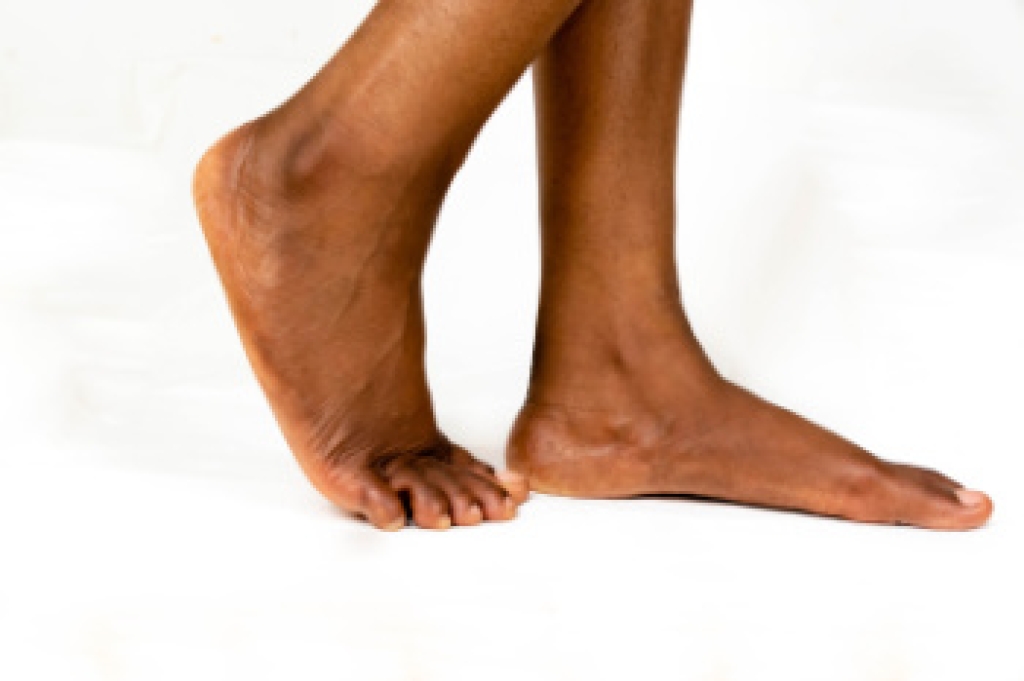
The bones of the foot work together in a complex and well-coordinated way during walking to support balance, movement, and shock-absorption. As the heel strikes the ground, rearfoot bones provide stability and weight-bearing support. During mid-stance, the midfoot bones help distribute pressure evenly across the arch, allowing smooth forward motion. At push-off, the forefoot bones create leverage and flexibility for efficient propulsion. Ligaments and muscles support these bones to maintain proper alignment and reduce stress on joints. When bone movement is altered, pain or injury may occur. A podiatrist can evaluate gait mechanics, identify structural concerns, and provide customized treatments such as orthotics and strengthening plans. If you have foot pain while walking, it is suggested that you consult a podiatrist who can treat various foot and ankle conditions.

If you have any concerns about your feet, contact one of our podiatrists from Foot and Ankle Clinics, PA. Our doctors can provide the care you need to keep you pain-free and on your feet.

Biomechanics in Podiatry

Podiatric biomechanics is a particular sector of specialty podiatry with licensed practitioners who are trained to diagnose and treat conditions affecting the foot, ankle and lower leg. Biomechanics deals with the forces that act against the body, causing an interference with the biological structures. It focuses on the movement of the ankle, the foot and the forces that interact with them.

A History of Biomechanics

  • Biomechanics dates back to the BC era in Egypt where evidence of professional foot care has been recorded.
  • In 1974, biomechanics gained a higher profile from the studies of Merton Root, who claimed that by changing or controlling the forces between the ankle and the foot, corrections or conditions could be implemented to gain strength and coordination in the area.

Modern technological improvements are based on past theories and therapeutic processes that provide a better understanding of podiatric concepts for biomechanics. Computers can provide accurate information about the forces and patterns of the feet and lower legs.

Understanding biomechanics of the feet can help improve and eliminate pain, stopping further stress to the foot.

If you have any questions please feel free to contact our offices located in Woodbury, West St. Paul, and Edina, MN . We offer the newest diagnostic and treatment technologies for all your foot and ankle needs.

Read more about The Importance of Biomechanics in Podiatry

Do Your Child's Feet Hurt?

Have your child's feet been examined lately? Healthy feet are happy feet. If your child is complaining of foot pain, it may be a sign of underlying problems.

Caring for Wounds on the Feet to Support Better Healing

Wounds on the feet can take longer to heal than injuries in other areas because of constant pressure, friction from shoes, and the distance from the heart, which can affect circulation. Even a small cut or blister can become a concern if it is not cared for promptly, especially for individuals with diabetes, poor circulation, or nerve changes that reduce sensation. Keeping the area clean, protected, and free from pressure allows new tissue to form more effectively. Paying attention to signs such as redness, warmth, swelling, or drainage helps catch problems early before the wound becomes deeper or infected. Choosing supportive footwear and monitoring the skin daily can make a meaningful difference in recovery. If a wound does not show steady improvement or becomes more painful, it is suggested that you schedule an appointment with a podiatrist for a proper assessment and appropriate care.

Wound care is an important part in dealing with diabetes. If you have diabetes and a foot wound or would like more information about wound care for diabetics, consult with one of our podiatrists from Foot and Ankle Clinics, PA. Our doctors will assess your condition and provide you with quality foot and ankle treatment.

What Is Wound Care?

Wound care is the practice of taking proper care of a wound. This can range from the smallest to the largest of wounds. While everyone can benefit from proper wound care, it is much more important for diabetics. Diabetics often suffer from poor blood circulation which causes wounds to heal much slower than they would in a non-diabetic. 

What Is the Importance of Wound Care?

While it may not seem apparent with small ulcers on the foot, for diabetics, any size ulcer can become infected. Diabetics often also suffer from neuropathy, or nerve loss. This means they might not even feel when they have an ulcer on their foot. If the wound becomes severely infected, amputation may be necessary. Therefore, it is of the upmost importance to properly care for any and all foot wounds.

How to Care for Wounds

The best way to care for foot wounds is to prevent them. For diabetics, this means daily inspections of the feet for any signs of abnormalities or ulcers. It is also recommended to see a podiatrist several times a year for a foot inspection. If you do have an ulcer, run the wound under water to clear dirt from the wound; then apply antibiotic ointment to the wound and cover with a bandage. Bandages should be changed daily and keeping pressure off the wound is smart. It is advised to see a podiatrist, who can keep an eye on it.

If you have any questions please contact our offices located in Woodbury, West St. Paul, and Edina, MN . We offer the newest diagnostic and treatment technologies for all your foot and ankle needs.

Read more about Wound Care

Connect With Us