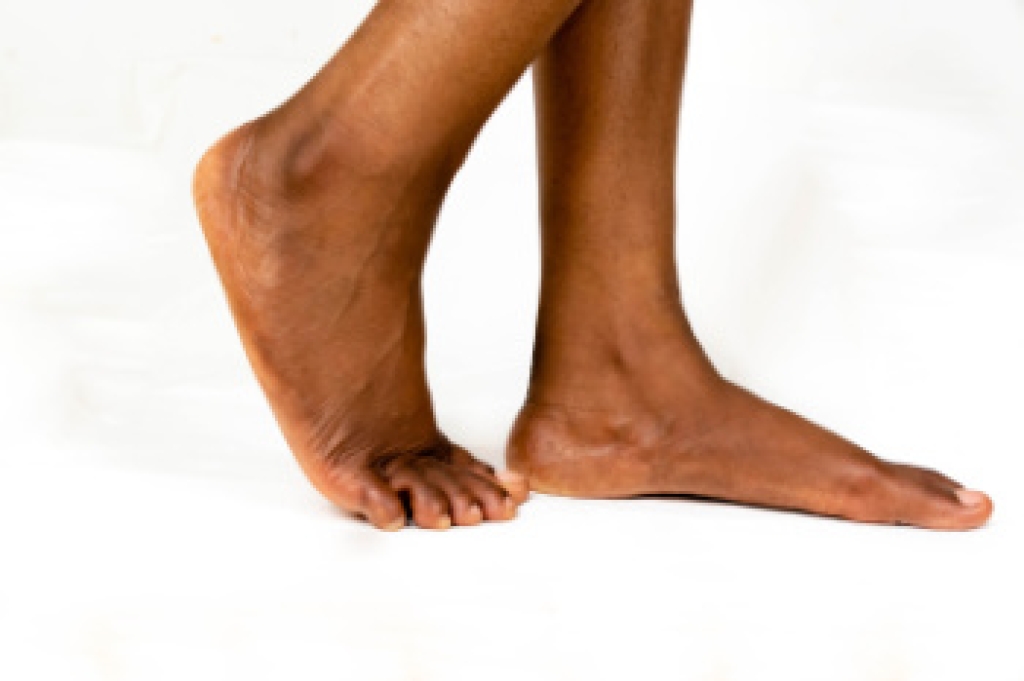
Risks of Wearing Flip-Flops

Flip-flops may feel light and easy to wear, but they often provide very little support for the feet. Many styles are flat, thin, and flexible. This can place extra strain on the arches, heels, and toes. Because the foot has to work harder to keep the sandal in place, walking patterns may change over time. This can lead to foot pain or discomfort in other areas of the body. Wearing flip-flops often may increase the risk of plantar fasciitis, heel pain, or tendon strain. They also leave much of the foot exposed, making cuts or scrapes more likely during daily activities.


A podiatrist can evaluate foot pain related to flip-flop use and identify which structures are being affected. During an examination, the podiatrist may check foot alignment, joint movement, and areas of increased pressure. They can also determine whether a condition, such as plantar fasciitis or tendon irritation, is causing symptoms. Treatment depends on the diagnosis and may include custom orthotics, supportive footwear recommendations, or other medical care to reduce pain and improve foot function. A podiatrist can also explain how footwear choices may be contributing to stress on the feet and ankles.


Professional podiatry care can help address pain before it becomes a long-term problem. Early evaluation may reduce the risk of ongoing inflammation, balance issues, or changes in the way you walk. Footwear-related pain should not be ignored, especially when it affects daily movement or comfort. A podiatrist creates a treatment plan based on your symptoms, foot structure, and activity level. Professional treatment of foot pain can support healthier movement and help protect your long-term foot health. If flip-flops are causing foot pain, it is suggested that you consult a podiatrist for an evaluation.

Flip-flops can cause a lot of problems for your feet. If you have any concerns about your feet or ankles, contact one of our podiatrists from Foot and Ankle Clinics, PA. Our doctors will assist you with all of your foot and ankle needs.

Flip-Flops and Feet

Flip-flops have managed to become a summer essential for a lot of people. While the shoes may be stylish and easy to slip on and off, they can be dangerous to those who wear them too often. These shoes might protect you from fungal infections such as athlete’s foot, but they can also give you foot pain and sprained ankles if you trip while wearing them.

When Are They Okay to Wear?

Flip-flops should only be worn for very short periods of time. They can help protect your feet in places that are crawling with fungi, such as gym locker rooms. Athlete’s foot and plantar warts are two common fungi that flip-flops may help protect your feet against.

Why Are They Bad for My Feet?

These shoes do not offer any arch support, so they are not ideal for everyday use. They also do not provide shock absorption or heel cushioning which can be problematic for your feet. Additionally, you may suffer from glass cuts, puncture wounds, and stubbed toes since they offer little protection for your feet.

More Reasons Why They Are Bad for Your Feet

  • They Slow You Down
  • May Cause Blisters and Calluses
  • Expose Your Feet to Bacteria

If you have any questions, please feel free to contact our offices located in Woodbury, West St. Paul, and Edina, MN . We offer the newest diagnostic and treatment technologies for all your foot care needs.


Read more about Flip Flops and Feet

Why Plantar Warts Can Be Painful

Plantar warts are a viral skin condition that affects the sole of the foot, often developing near the base of the toes or on weight-bearing areas. These growths are caused by the human papilloma virus, or HPV, which enters the skin through tiny cuts or abrasions. Unlike warts found on other parts of the body, plantar warts grow inward due to pressure from walking and standing. This inward growth can make them more painful and difficult to ignore during daily activity.

Symptoms of plantar warts typically include small, rough lesions on the bottom of the foot that may feel firm to the touch. A key sign is the presence of tiny black dots within the wart, which are small clotted blood vessels. Many individuals describe a sharp or stabbing pain when walking, especially when pressure is applied directly over the wart. The surrounding skin may become thickened, forming a callus like layer that can further increase discomfort.


Risk factors for developing plantar warts are often related to exposure and skin vulnerability. Walking barefoot in communal areas, such as locker rooms, pools, or gym showers, increases the chance of coming into contact with the virus. Children, teenagers, and individuals with a weakened immune system are more susceptible. Excessive sweating, poor foot hygiene, and repeated pressure on the same area of the foot can also contribute to wart formation and persistence.


The underlying cause of plantar warts is viral infection combined with conditions that allow the virus to thrive. Early identification and proper management can reduce pain and prevent spreading to other areas of the foot. Keeping feet clean, dry, and protected is essential for prevention. If you have symptoms of a plantar wart, it is suggested that you consult a podiatrist for effective relief and treatment solutions.

Plantar warts can be very uncomfortable. If you need your feet checked, contact one of our podiatrists from Foot and Ankle Clinics, PA. Our doctors will assist you with all of your foot and ankle needs.

About Plantar Warts

Plantar warts are the result of HPV, or human papillomavirus, getting into open wounds on the feet. They are mostly found on the heels or balls of the feet.

While plantar warts are generally harmless, those experiencing excessive pain or those suffering from diabetes or a compromised immune system require immediate medical care. Plantar warts are easily diagnosed, usually through scraping off a bit of rough skin or by getting a biopsy.

Symptoms

  • Lesions on the bottom of your feet, usually rough and grainy
  • Hard or thick callused spots
  • Wart seeds, which are small clotted blood vessels that look like little black spots
  • Pain, discomfort, or tenderness of your feet when walking or standing

Treatment

  • Freezing
  • Electric tool removal
  • Laser Treatment
  • Topical Creams (prescription only)
  • Over-the-counter medications

To help prevent developing plantar warts, avoid walking barefoot over abrasive surfaces that can cause cuts or wounds for HPV to get into. Avoiding direct contact with other warts, as well as not picking or rubbing existing warts, can help prevent the further spread of plantar warts. However, if you think you have developed plantar warts, speak to your podiatrist. He or she can diagnose the warts on your feet and recommend the appropriate treatment options.

If you have any questions, please feel free to contact our offices located in Woodbury, West St. Paul, and Edina, MN . We offer the newest diagnostic and treatment technologies for all your foot care needs.

Read more about What Are Plantar Warts?

Are You Suffering From Ingrown Toenails?

If left untreated, an ingrown toenail can lead to more serious concerns, such as an infection. Knowing proper nail care can help in the prevention of an ingrown toenail. Give us a call, and get treated!

How Diabetic Foot Ulcers Begin

Diabetic foot ulcers are open wounds that most often develop when several problems come together over time. Diabetes can reduce feeling in the feet, making it harder to notice a blister, cut, pressure spot, or irritation from footwear. At the same time, changes in circulation may slow healing, allowing even a small injury to worsen instead of improving. Foot shape changes and dry, fragile skin can also increase the chance of skin breakdown. Because pain may be limited or absent, some ulcers develop without the person realizing how serious the problem has become. A podiatrist can examine the feet for pressure points, skin damage, circulation concerns, and signs of infection before complications become more severe. Early detection and treatment are important because these wounds can become deeper and harder to heal if ignored. If you have diabetes and notice skin changes or wounds on your feet, it is strongly suggested that you are under the care of a podiatrist who can help you to manage this serious condition. 

Diabetic foot care is important in preventing foot ailments such as ulcers. If you are suffering from diabetes or have any other concerns about your feet, contact one of our podiatrists from Foot and Ankle Clinics, PA. Our doctors can provide the care you need to keep you pain-free and on your feet.

Diabetic Foot Care

Diabetes affects millions of people every year. The condition can damage blood vessels in many parts of the body, especially the feet. Because of this, taking care of your feet is essential if you have diabetes, and having a podiatrist help monitor your foot health is highly recommended.

The Importance of Caring for Your Feet

  • Routinely inspect your feet for bruises or sores.
  • Wear socks that fit your feet comfortably.
  • Wear comfortable shoes that provide adequate support.

Patients with diabetes should have their doctor monitor their blood levels, as blood sugar levels play such a huge role in diabetic care. Monitoring these levels on a regular basis is highly advised.

It is always best to inform your healthcare professional of any concerns you may have regarding your feet, especially for diabetic patients. Early treatment and routine foot examinations are keys to maintaining proper health, especially because severe complications can arise if proper treatment is not applied.

If you have any questions, please feel free to contact our offices located in Woodbury, West St. Paul, and Edina, MN . We offer the newest diagnostic and treatment technologies for all your foot care needs.

Read more about Diabetic Foot Care

Heel Pain And Bruised Heel Explained

Heel pain is a common issue that can affect daily movement and comfort. One cause is a bruised heel, also known as a heel contusion. This happens when the fat pad under the heel becomes damaged. This often appears as deep soreness or tenderness directly under the heel. It may feel worse when standing or walking. It can develop from repetitive pounding on the foot from running on hard surfaces. Wearing loose shoes that allow excess movement or landing hard after jumping from a high spot are other possible causes. Eventually, the protective cushion weakens, leading to pain and reduced shock absorption. A podiatrist can evaluate the extent of injury, use imaging if needed, and recommend supportive treatments to protect the heel and restore function. If you think you may have bruised your heel, it is suggested that you consult a podiatrist who can offer effective relief and treatment solutions. 

Many people suffer from bouts of heel pain. For more information, contact one of our podiatrists of Foot and Ankle Clinics, PA. Our doctors can provide the care you need to keep you pain-free and on your feet.

Causes of Heel Pain

Heel pain is often associated with plantar fasciitis. The plantar fascia is a band of tissues that extends along the bottom of the foot. A rip or tear in this ligament can cause inflammation of the tissue.

Achilles tendonitis is another cause of heel pain. Inflammation of the Achilles tendon will cause pain from fractures and muscle tearing. Lack of flexibility is also another symptom.

Heel spurs are another cause of pain. When the tissues of the plantar fascia undergo a great deal of stress, it can lead to ligament separation from the heel bone, causing heel spurs.

Why Might Heel Pain Occur?

  • Wearing ill-fitting shoes                
  • Wearing non-supportive shoes
  • Weight change           
  • Excessive running

Treatments

Heel pain should be treated as soon as possible for immediate results. Keeping your feet in a stress-free environment will help. If you suffer from Achilles tendonitis or plantar fasciitis, applying ice will reduce the swelling. Stretching before an exercise like running will help the muscles. Using all these tips will help make heel pain a condition of the past.

If you have any questions, please feel free to contact our offices located in Woodbury, West St. Paul, and Edina, MN . We offer the newest diagnostic and treatment technologies for all your foot care needs.

Read more about Heel Pain

Connect With Us