Should I See a Podiatrist?

Our feet do so much for us and yet they are often ignored. Podiatrists are doctors who specialize in the treatment of the feet and ankles. There are several specific foot conditions that would benefit from this type of care. Neuropathy occurs when there is damage to the peripheral nerves. Numbness and loss of sensation from neuropathy can make it difficult to know when a foot injury has occurred. Although this condition cannot be cured, a podiatrist can suggest measures to take to minimize the danger of neuropathy.  A change in the color of feet is often an indicator of a disease such as an infection, like cellulitis, that needs to be treated. A podiatrist can help with foot deformities like bunions or hammertoes. Foot pain can arise for numerous reasons and wearing shoes that fit properly in addition to having feet examined by a podiatrist can help ward off more severe foot problems. Overall, rather than neglecting symptoms of foot problems, consult a podiatrist for proper diagnosis and treatment.

If you are dealing with pain in your feet and ankles, you may want to seek help from a podiatrist. Feel free to contact one of our podiatrists from Foot and Ankle Clinics, PA. Our doctors can provide the care you need to keep you pain-free and on your feet.

What Is a Podiatrist?

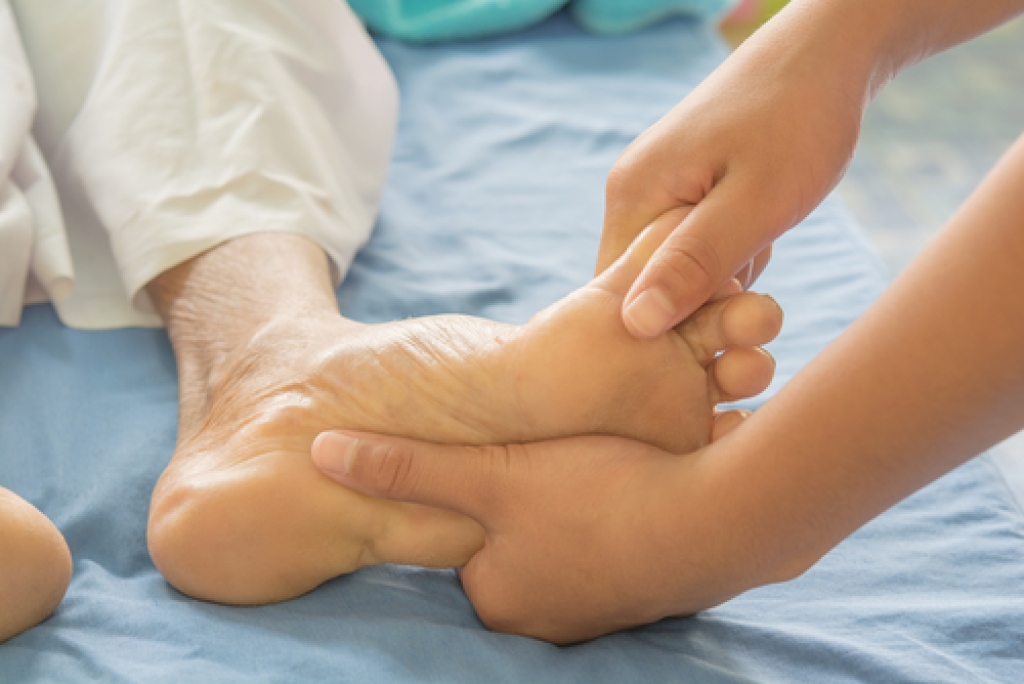
A podiatrist is a doctor of podiatric medicine who diagnoses and treats conditions of the foot, ankle, and related structures of the leg. Your podiatrist may specialize in a certain field such as sports medicine, wound care, pediatrics, and diabetic care. Podiatrists have the ability to become board certified through training, clinical experience, and then taking an exam.

What Do Podiatrists Do?

On a daily basis, a podiatrist may perform the following activities:

  • Diagnose foot ailments such as ulcers, tumors, fractures, etc.
  • Use innovative methods to treat conditions
  • Use corrective orthotics, casts, and strappings to correct deformities
  • Correct walking patterns and balance
  • Provide individual consultations to patients

It is very important that you take care of your feet. It’s easy to take having healthy feet for granted, however foot problems tend to be among the most common health conditions. Podiatrists can help diagnose and treat a variety of feet related conditions, so it is crucial that you visit one if you need assistance.

If you have any questions, please feel free to contact our offices located in Woodbury, West St. Paul, and Edina, MN . We offer the newest diagnostic and treatment technologies for all your foot care needs.
Read more about What is a Podiatrist?

Children Can Experience Heel Pain Too

It may be difficult for you to know if your child is having heel pain because it is not often associated with children. However, certain conditions that cause heel pain can afflict the young, even if they do not know how to properly communicate their distress. Sever’s disease, for instance, is a form of heel pain that stems from irritation to the growth plate in the heels of growing children. Children can also develop plantar fasciitis from overuse of the heel or wearing shoes that do not fit. This condition is a painful inflammation of the plantar fascia tissue that connects to the heel to the toes. Active children can also develop tiny stress fractures of the heel bone which can occur gradually over time and be quite painful. There are certain clues your child’s condition may provide if you know what to look for. If your child limps or changes the way they walk or run, cuts back on physical activities, complains that their feet or heels feel odd or stiff, or that something is stuck in their shoe, they may have a painful heel condition. It is suggested that you make an appointment for your child with a podiatrist to have your child’s condition diagnosed and treated properly. 

The health of a child’s feet is vital to their overall well-being. If you have any questions regarding foot health, contact one of our podiatrists of Foot and Ankle Clinics, PA. Our doctors can provide the care you need to keep you pain-free and on your feet.

Tips for Keeping Children's Feet Healthy

  • Make sure their shoes fit properly
  • Look for any signs of in-toeing or out-toeing
  • Check to see if they have Clubfoot (condition that affects your child’s foot and ankle, twisting the heel and toes inward) which is one of the most common nonmajor birth defects.
  • Lightly cover your baby’s feet (Tight covers may keep your baby from moving their feet freely, and could prevent normal development)
  • Allow your toddler to go shoeless (Shoes can be restricting for a young child’s foot)
  • Cut toenails straight across to avoid ingrown toenails
  • Keep your child’s foot clean and dry
  • Cover cuts and scrapes. Wash any scratches with soap and water and cover them with a bandage until they’ve healed.

If you have any questions, please feel free to contact our offices located in Woodbury, West St. Paul, and Edina, MN . We offer the newest diagnostic and treatment technologies for all your foot care needs.

Read more about How to Care for Your Child's Feet

Common Types of Running Injuries

Running injuries are common among people who are athletic. It is important to practice running injury prevention techniques, and this can be accomplished in several ways. Warming up and cooling down before running is essential in keeping the body strong, and free of injury. Additionally, it is beneficial to gradually increase speed and mileage, and wearing shoes that fit correctly may help to prevent running injuries. Many runners can suffer from an acute injury, and this can happen from a fall or bumping into another runner. Such injuries can affect the ligaments and tendons, and walking can be difficult. Relief can be found when the affected foot is elevated, and this may help to reduce existing swelling. Chronic injuries are considered to be the most common type of running injury, and often includes stress fractures. It is advised that you consult with a podiatrist who can educate you about different types of running injuries, and offer methods on how they can be prevented. 

Exercising your feet regularly with the proper foot wear is a great way to prevent injuries. If you have any concerns about your feet, contact one of our podiatrists of Foot and Ankle Clinics, PA. Our doctors will treat your foot and ankle needs.

How to Prevent Running Injuries

Many common running injuries are caused by overuse and overtraining. When the back of the kneecap starts wearing out and starts causing pain in your knee, this is commonly referred to as runner’s knee. Runner’s knee is a decrease in strength in your quadriceps and can occur if you’re not wearing properly fitted or supporting shoes. To prevent runner’s knee, focusing on hip strengthening is a good idea, as well as strengthening your quads to keep the kneecaps aligned.

What Are Some Causes of Running Injuries? 
- One cause of a common running injury is called iliotibial band syndrome.
- Plantar fasciitis is also another common injury.
- Stress fractures can occur from overtraining, lack of calcium, or even your running style.

Best Ways to Prevent Running Injuries
- Wear footwear that fits properly and suits your running needs.
- Running shoes are the only protective gear that runners have to safeguard them from injury.
- Make a training schedule. Adding strengthening exercises as well as regular stretching can help keep you strong and limber and can lessen the possibility of injuries.
- Stretching keeps muscles limber; this will help you gain better flexibility.

If you have any questions, please feel free to contact our offices located in Woodbury, West St. Paul, and Edina, MN . We offer the newest diagnostic and treatment technologies for all your foot care needs.
Read more about How to Prevent Running Injuries

What to Do for Bunions

Bunions, also referred to as “hallux valgus” can become painful. A bunion is a bump on the side of the big toe that comes from an inherited structural problem with the foot or changes in the bones in the front part of the foot from wearing shoes that crowd the toes. When one develops a bunion, it means that the big toe starts leaning towards the second toe rather than pointing straight forward. Though symptoms such as pain, inflammation and redness, a burning sensation, and numbness can come in later stages of bunion development, sometimes there are never symptoms other than the bump. Dealing with a bunion may be as simple as changing shoes to ones that have more room in the toe box and don’t put the foot at an unnatural angle, such as when wearing high heels. Other ways of helping with a bunion include placing padding over the bump, spending less time on your feet, modifying activities, getting cortisone shots, or possibly having surgery. A visit to a podiatrist will confirm a diagnosis of a bunion and appropriate treatment will be suggested.

If you are suffering from bunions, contact one of our podiatrists of Foot and Ankle Clinics, PA. Our doctors can provide the care you need to keep you pain-free and on your feet.

What Is a Bunion?

A bunion is formed of swollen tissue or an enlargement of boney growth, usually located at the base joint of the toe that connects to the foot. The swelling occurs due to the bones in the big toe shifting inward, which impacts the other toes of the foot. This causes the area around the base of the big toe to become inflamed and painful.

Why Do Bunions Form?

Genetics – Susceptibility to bunions are often hereditary

Stress on the feet – Poorly fitted and uncomfortable footwear that places stress on feet, such as heels, can worsen existing bunions

How Are Bunions Diagnosed?

Doctors often perform two tests – blood tests and x-rays – when trying to diagnose bunions, especially in the early stages of development. Blood tests help determine if the foot pain is being caused by something else, such as arthritis, while x-rays provide a clear picture of your bone structure to your doctor.

How Are Bunions Treated?

  • Refrain from wearing heels or similar shoes that cause discomfort
  • Select wider shoes that can provide more comfort and reduce pain
  • Anti-inflammatory and pain management drugs
  • Orthotics or foot inserts
  • Surgery

If you have any questions, please feel free to contact our offices located in Woodbury, West St. Paul, and Edina, MN . We offer the newest diagnostic and treatment technologies for all your foot care needs.

Read more about What Are Bunions?

Connect With Us